

















Steel can move across the Caspian from an...

Steel can move across the Caspian from an agreed Iranian loading port to a receiving terminal serving Baku or Turkmenbashi, provided the carrier accepts the cargo and both terminals confirm handling arrangements. For steel shipping Caspian Sea enquiries, buyers should confirm the loading port, discharge terminal, cargo protection, document package and delivery responsibilities before booking. A workable schedule covers cargo preparation, port waiting, sailing and release at destination. Sailing time alone cannot tell a contractor when the steel will reach the project.
Steel Shipping Caspian Sea: Why the Route Works
The sea route can suit orders that would otherwise require several separate vehicle loads. Bundles, sections and other heavy products can travel together when the vessel, terminals and receiving operation are suitable. This may help a buyer organise project deliveries around a defined shipment.
Compared with an overland option, the commercial advantage depends on the full journey. Mill-to-port transport, lifting, storage, ocean freight and destination handling all affect the delivered cost. A lower freight rate can lose its value if cargo waits at the terminal or requires expensive handling after arrival.
Compare quotations to the same receiving point and delivery scope. Identify responsibility for discharge and onward movement. The Caspian route becomes easier to manage when those responsibilities are agreed before the cargo leaves the warehouse.
Iranian Caspian Ports Used for Steel Loading
FDSteels identifies its business base as Bandar-e-Torkaman in northern Iran. The company address identifies its location; the operational loading terminal should be confirmed separately for each shipment.
A steel shipping Caspian Sea proposal should therefore name the actual loading port and terminal once the transport arrangement has been reviewed. Buyers should avoid approving a booking that says only “Iranian Caspian port.”
Port selection should consider access from the cargo source, the vessel’s accepted dimensions and draught, lifting facilities, storage conditions and cargo availability. The terminal and carrier need to confirm that they can handle the proposed shipment. A port’s general cargo capability alone does not confirm space on a particular sailing.
Keep the confirmed port name consistent across the purchase agreement, shipping instructions and transport documents.
Destination Ports: Baku and Turkmenbashi
Baku and the Alat Port Complex
The Baku International Sea Trade Port complex is located at Alat. For Iran to Azerbaijan steel shipping, the quotation should identify the receiving port and terminal clearly, rather than relying on the city name “Baku.”
Confirm the consignee’s receiving arrangements, unloading equipment and destination agent before dispatch. If the order is priced only to the port, budget separately for the remaining movement to the warehouse or construction site.
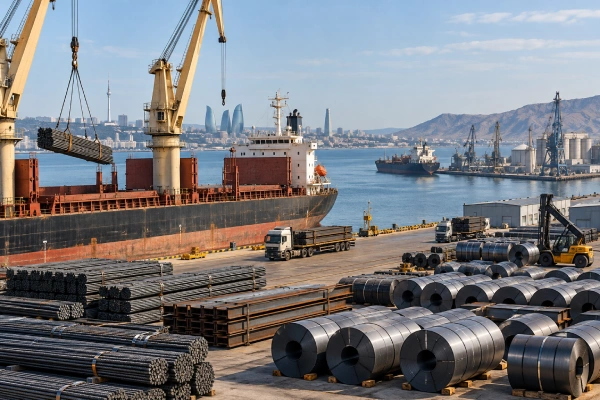
Turkmenbashi International Seaport
The port’s official information states that its general cargo terminal handles steel and iron products, alongside other heavy cargo. This provides a practical basis for evaluating a shipment through Turkmenbashi, subject to terminal and carrier acceptance.
An Iran to Turkmenistan steel export still needs a confirmed receiving arrangement. The importer or its agent should review the discharge plan, document requirements and collection arrangements before loading begins.
Ask FDSteels to review the proposed destination with your logistics team before you commit to a delivered steel price.
Which Steel Products Ship Well by Sea
Rebar, beams, billets, flat products and pipes can all be considered for sea transport. Their suitability depends on the package dimensions, weight, surface condition and handling plan. Steel shipping Caspian Sea planning should address each product group separately, even when several groups travel in one order.
For Caspian Sea cargo, steel products need a handling plan matched to their shape and weight. The table below identifies issues to discuss with the carrier and terminal before choosing the transport method.
| Steel Product | Handling and Protection to Confirm | Main Limitation to Check |
|---|---|---|
| Steel rebar | Secure bundles, readable tags and suitable lifting arrangements | Bar length, bundle weight and available stowage space |
| I-beams and structural sections | Supports and lifting methods that protect the sections | Package length and safe clearance during lifting |
| Steel billet | Suitable lifting equipment, supports and secure stowage | Concentrated weight and permitted loading on the hold floor |
| Sheets and plates | Secure packs, edge protection and suitable supports | Plate dimensions, pack weight and surface damage |
| Steel coils | An approved support and securing arrangement, with moisture protection | Concentrated floor loading and movement during transport |
| Steel pipes | Supports, restraint against rolling and protection for ends or coatings | Diameter, length and sensitivity to lifting damage |
Coils deserve particular attention because their high weight acts over a relatively small contact area. A container’s total payload rating alone is insufficient to approve the arrangement.
For mixed cargo, keep product identification accessible and plan discharge around the receiving operation. The order needed first on site should be considered when planning stowage.
Vessel Types and Loading Methods
In break-bulk steel shipping, bundles, packs or individual pieces are handled as separate cargo units rather than being packed inside standard containers. A proposed general cargo vessel must have suitable cargo spaces and an agreed lifting and securing plan.
Containers may be considered where the product fits and the carrier approves its weight distribution, loading method and securing. Long products or heavy coils require particular attention. Available container space does not establish that a steel package can be loaded safely.
For steel shipping Caspian Sea orders, the quotation should identify the proposed transport method and explain what remains subject to booking confirmation. Confirm the vessel type, availability and loading method for the individual order.
The carrier and qualified cargo handlers should approve the stowage and securing arrangements. IMO guidance emphasises vessel suitability and proper planning, execution and supervision of cargo securing.
Typical Documents for a Caspian Steel Shipment
Treat the document package as a shipment-specific agreement. There is no single list in this guide that should be read as the mandatory customs requirements of Azerbaijan or Turkmenistan.
A commercial invoice and packing list describe the transaction and physical cargo. Product descriptions, package counts and declared weights should agree with the shipping instructions. A certificate of origin may be requested, depending on the transaction and destination requirements.
The sea transport document, such as a bill of lading where applicable, records the shipment under the carrier’s arrangements. Export and import declarations, and any applicable permits, should be confirmed with the relevant customs agents before dispatch.
Mill test certificates and inspection reports serve a different purpose: they support material acceptance and traceability under the purchase contract. FDSteels describes coordination of agreed documentation and inspection as part of its export support.
In steel shipping Caspian Sea transactions, send draft documents to the receiving agent early enough to correct mismatched names, descriptions or weights. Agree who supplies originals and who authorises cargo release. Ask FDSteels to align the document scope with your receiving agent before purchase confirmation.
Common Delays and How to Plan Around Them
Weather can interrupt sailing or cargo handling. Rain exposure also matters for moisture-sensitive steel. Condensation inside cargo spaces can affect the material even when external packing appears intact. Dry cargo and suitable dry support materials are part of sound preparation.
Vessel space, berth availability and terminal congestion can also change the departure or discharge sequence. A ready cargo may still wait for an accepted booking. A vessel arrival estimate may change before the cargo is released to the buyer.
Build the steel shipping Caspian Sea schedule around separate milestones: cargo ready, port received, loaded, departed, discharged and released. Ask for updates against those milestones and identify which dates remain estimates.
For a construction project, discuss the latest acceptable receiving date and the effect of a delay on planned work. Reserve suitable storage and receiving equipment before arrival. Obtain a shipment-specific timing estimate after the loading port, cargo and available sailing have been reviewed.
How FDSteels Coordinates the Shipment
FDSteels’ published history traces the family business to a steel workshop established in 1971. It records a first export shipment of steel profiles to Turkmenistan in 2003. This establishes export experience in that market. The transport plan for a new order still requires confirmation with the relevant carrier and terminals.
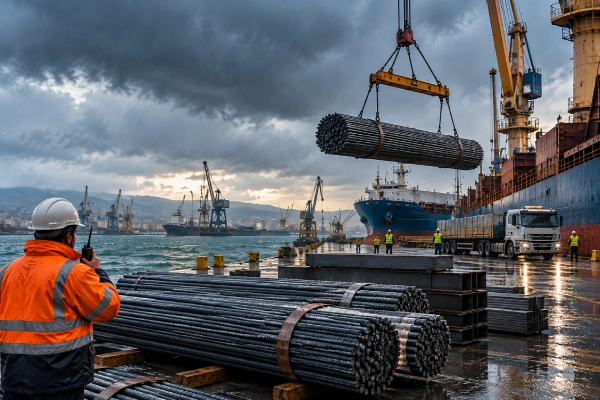
The company’s practical offering combines a broad steel product range with export documentation, logistics planning and customer communication. For a buyer sourcing several categories, this offers a way to discuss material supply and shipment preparation through one commercial relationship.
For steel shipping Caspian Sea purchases, ask FDSteels to turn that support into a written proposal covering the agreed cargo, proposed ports, document scope and delivery responsibilities. Current availability and transport commitments should be confirmed in the quotation. Assess commercial value against the delivered scope and the agreed quality requirements.
Request a Caspian Steel Shipping Quotation
Contact FDSteels to discuss a steel order for Baku/Alat or Turkmenbashi and request a quotation with a defined delivery scope. Include your intended receiving point and delivery needs so the proposed route can be reviewed against the purchase.
For the technical enquiry, use the existing guide to preparing a complete steel RFQ. Then request a steel supply and shipping quotation and ask which transport details are confirmed and which depend on booking.
Frequently Asked Questions
1. How Long Does Steel Shipping Caspian Sea Delivery Take?
There is no fixed delivery period for every order. Ask for a shipment-specific estimate covering cargo readiness, port waiting, sailing, discharge and release. Confirm the receiving date separately from the vessel’s estimated arrival.
2. Does a Baku Destination Mean Delivery to the Project Site?
Only if the agreed delivery scope includes that site. Confirm the receiving terminal at Alat and responsibility for discharge, clearance and onward movement in the commercial offer.
3. Must Steel Be Shipped as Break-Bulk Cargo?
No. Container transport may be considered where dimensions, weight distribution and securing are accepted. The suitable method depends on the cargo and the available service; it should be confirmed before booking.
4. Which Documents Will the Importer Need?
Confirm the final list with the importer and destination customs agent. Commercial, transport, origin and material-quality documents serve different purposes. Agree the package before dispatch and check that the cargo details match across it.

